Water Facts
More water or soil/land on Earth?
There is more water than soil on Earth. Water covers about 71% of Earth's surface, whereas land covers only about 29%.
Water covers about 361 million km², whereas land covers only about 149 million km². So there is about 2.4 times more water-covered area than land area.
By total volume the difference is even larger. Earth's oceans contain about 1.332 billion km³ of water, whereas the volume of actual soil on land is difficult to define, but the amount of water on Earth far exceeds the volume of the thin soil layer covering continents.
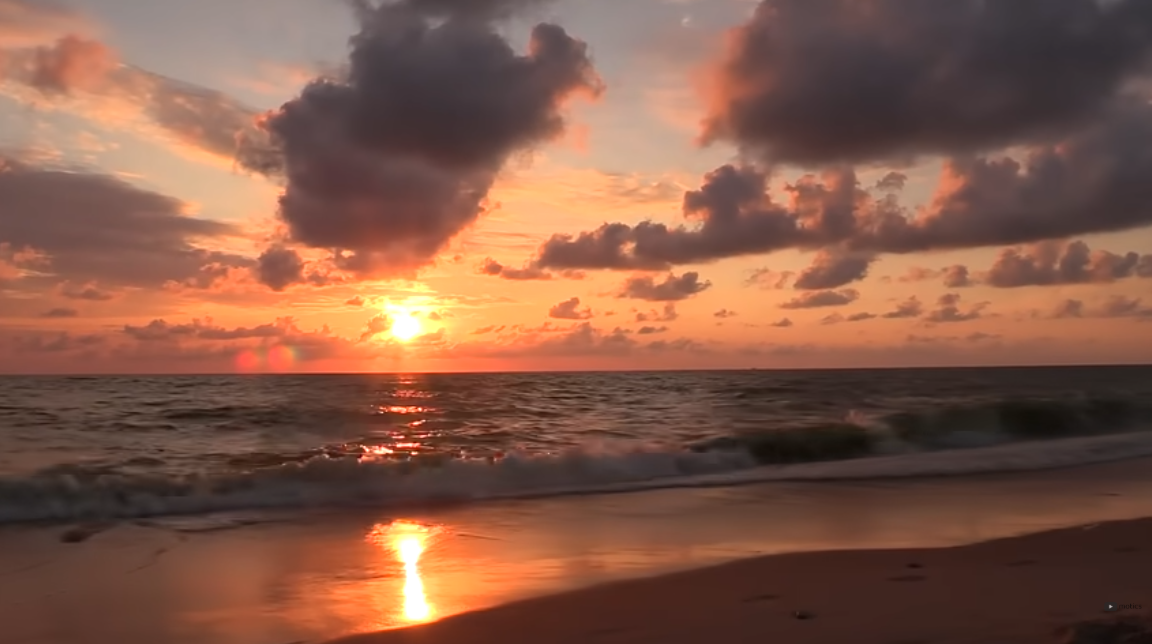
More water or rock on Earth?
The ocean doesn't sit over an empty space — it sits on solid rock. There is far more rock than water on Earth.
Both continents and oceans are resting on Earth's solid outer shell, called the crust.
- Under the continents, the continental crust is typically 30–70 km thick.
- Under the oceans, the oceanic crust is thinner, usually 5–10 km thick.
- Beneath both is the mantle, which extends to about 2,900 km below the surface.
- Then comes the outer core (liquid iron and nickel),
- Followed by the inner core (solid iron and nickel).
The ocean water is just a very thin layer on top of the solid Earth. All water on the surface (oceans, ice, fresh water) forms only an extremely thin layer — less than 0.1% of Earth's total volume, and even less of its total mass.
Atmosphere
------------------------------
Land Ocean
^^^^^^ ~~~~~~~
Soil Water
Rock Oceanic crust
==============================
Upper mantle
------------------------------
Lower mantle
------------------------------
Outer core (liquid iron)
------------------------------
Inner core (solid iron)
Rock (solid Earth): Makes up almost the entire planet by volume and mass. Earth's crust, mantle, and core are all solid or dense semi-solid rock/metal — the mantle alone accounts for ~84% of Earth's total volume.
To give you a sense of scale:
- Average ocean depth: ~3.7 km
- Earth's radius: ~6,371 km
So while water covers 71% of Earth's surface, it is actually a very thin skin. Almost everything beneath it is solid Earth extending all the way to the core.
Water in Human Body
That's one of the biggest differences between Earth and living organisms. Earth is mostly rock and metal, whereas humans are mostly water.
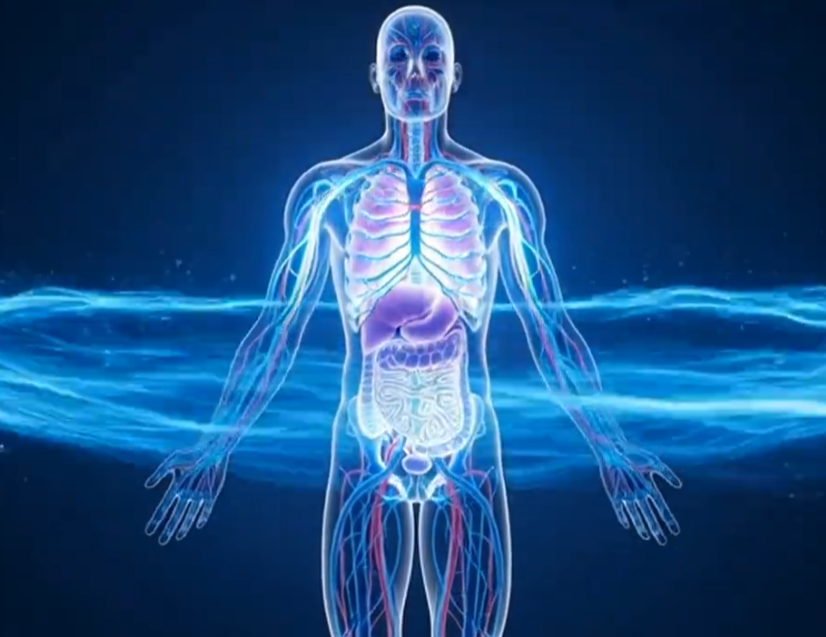
The average adult human is about:
- 55–60% water (higher in infants, lower in older adults).
- The rest is proteins, fats, minerals, carbohydrates, etc.
Our organs contain even more water:
- Brain: ~73% water
- Heart: ~73%
- Lungs: ~83%
- Muscles: ~79%
Fresh Water VS Saltwater
Most of Earth's water (about 97%) is saltwater in the oceans; the remaining 3% is fresh water, and only a tiny fraction of that is accessible for human use.
Why our Earth's water is mostly salty?
The oceans are salty because rain and rivers have been carrying dissolved minerals from Earth's rocks into them for billions of years, while evaporation removes only the water, not the salt. Over geological time, that process created the salty oceans we know today.
Is there water on the moon?
Yes, there is water on the Moon — but not in the form of lakes, rivers, or oceans like on Earth. Scientists have confirmed that the Moon contains water, but most of it is frozen as ice or locked inside rocks, not flowing in oceans or lakes.
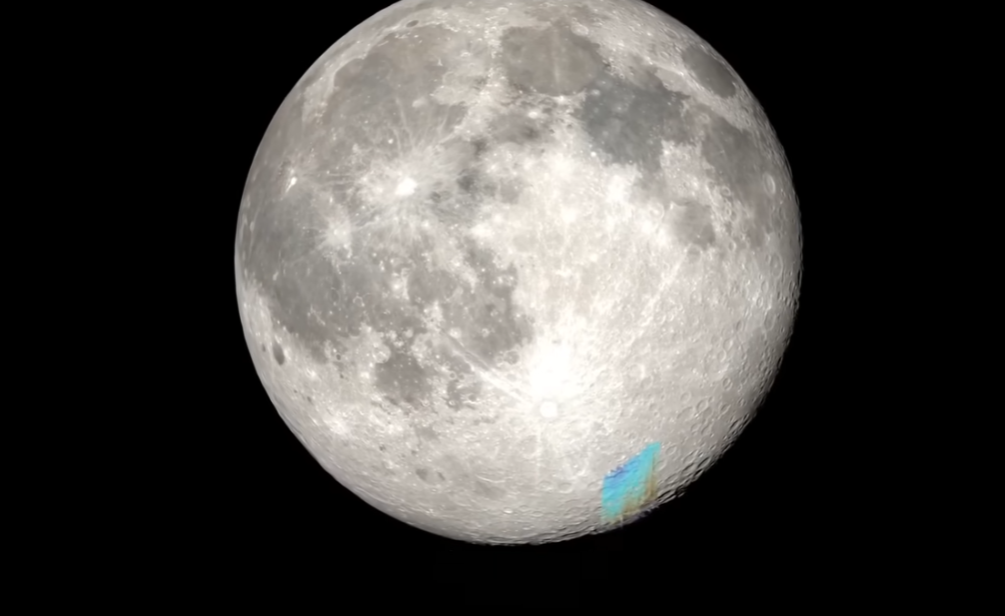
Where it is and what form it takes
- Permanently shadowed craters at the poles: This is where most water is — trapped as water ice in deep craters that never see sunlight, staying around -200°C so ice doesn’t evaporate. Estimates suggest hundreds of millions to over a billion tons of ice here.
- Sunlit surface: Small amounts of water molecules are stuck to dust grains or locked inside minerals everywhere else. NASA’s SOFIA mission confirmed this in 2020 — about enough for one small bottle of water per cubic meter of soil.
- Locked in rocks: Samples from China’s Chang’e‑5 mission show about 120 g of water per ton of soil, and 180 g per ton of rock, bound into mineral structures.
- Trace vapor: Tiny amounts of water vapor are also present in the extremely thin lunar “atmosphere.”
Is there water besides Earth
Yes—actually, water is surprisingly common in the Solar System and the universe. What is rare is liquid water on the surface, like we have on Earth.
Our Earth is the only known planet with stable oceans of liquid water on its surface.
🔴 Mars
Has water ice at both poles.
Ice is also buried underground.
Billions of years ago, Mars had rivers, lakes, and perhaps even an ocean.
🌕 Moon
Water ice exists in permanently shadowed polar craters.
Small amounts of water are trapped in lunar soil and rocks.
🌑 Europa (a moon of Jupiter)
One of the most exciting places in the Solar System.
Beneath its icy crust is believed to be a global ocean of liquid water.
That ocean may contain more water than all of Earth's oceans combined.
🌑 Enceladus (a moon of Saturn)
Has a global ocean beneath an icy shell.
Huge plumes of water vapor and ice erupt from cracks near its south pole.
Spacecraft have flown through these plumes and detected water.
☄️ Comets
Composed largely of ice mixed with dust and rock.
As they approach the Sun, the ice turns into gas, creating the familiar glowing tail.
Is there any creatures can survive without water
As far as we know, no living creature can survive indefinitely without water. Water is essential for all known life on Earth. However, some organisms can survive with almost no water for incredibly long periods by entering a dormant state.
🐻 Tardigrades ("water bears")
- They can lose up to about 95–99% of their body water.
- They curl into a dry, dormant state called a "tun."
- In this state they can survive for years (and under laboratory conditions, sometimes much longer).
- When water returns, they "wake up" and continue living.
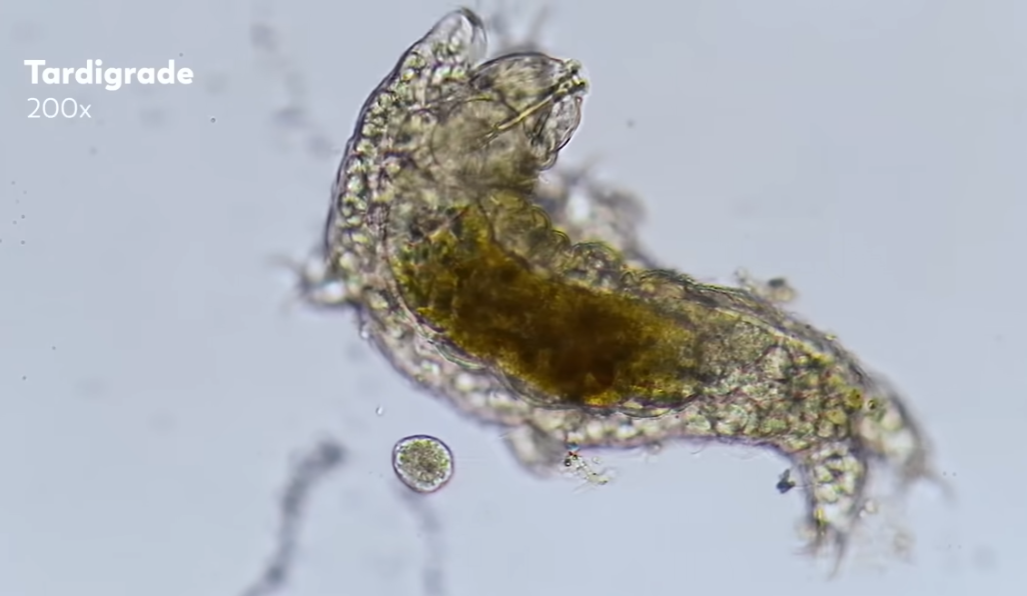
Importantly, they are not living without water—they are temporarily paused until water becomes available again.
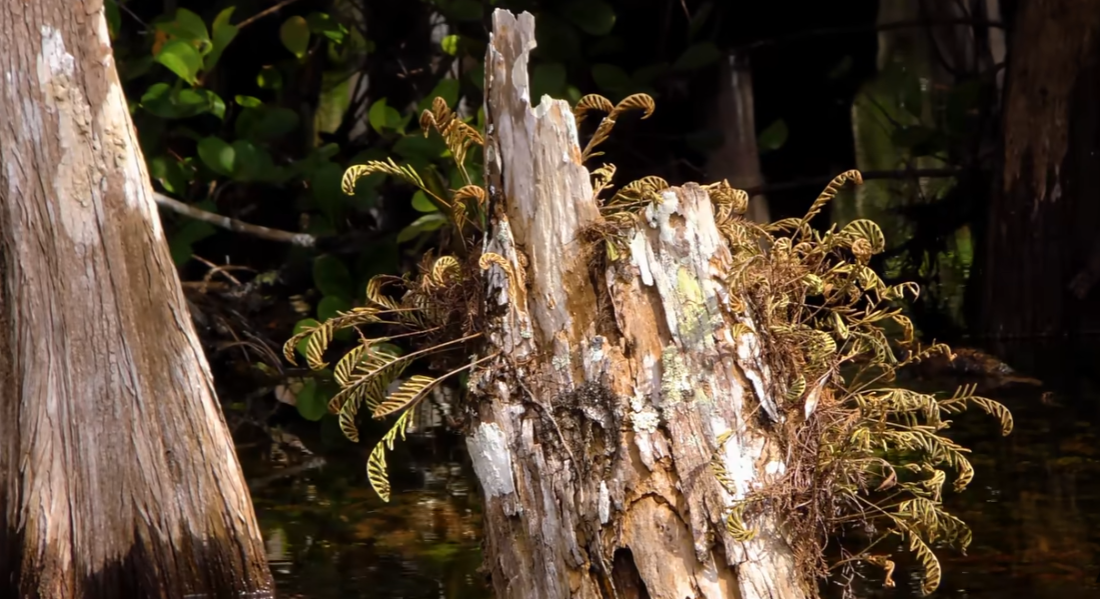
🌱 Resurrection plants
- Some desert plants can dry out almost completely and appear dead.
- After rain falls, they absorb water and become green again within hours or days.
🥚 Brine shrimp eggs
- Their dormant eggs can remain dry for years.
- Once placed in water, they hatch into active shrimp.
🐭 Kangaroo rats
- These desert mammals almost never drink liquid water.
- Instead, they obtain nearly all the water they need by metabolizing the food they eat and by conserving water extremely efficiently.

So they don't live without water—they produce and recycle it internally.