Fire Facts
What color is the fire?
Fire doesn't have a single color. Its color depends mainly on temperature, the fuel being burned, and how completely it is burning. As temperature increases, the color of a flame shifts through the spectrum: from red → orange → yellow → white → blue
- Red / Orange / Yellow: Most familiar (campfires, candles, matches). Caused by incomplete combustion — tiny glowing soot particles; roughly 500–1,300 °C.
- White: Very hot, near-complete combustion; 1,300–1,500 °C.
- Blue: Hottest, cleanest burn (gas stoves, Bunsen burners); 1,500 °C+, full oxygen, no soot.
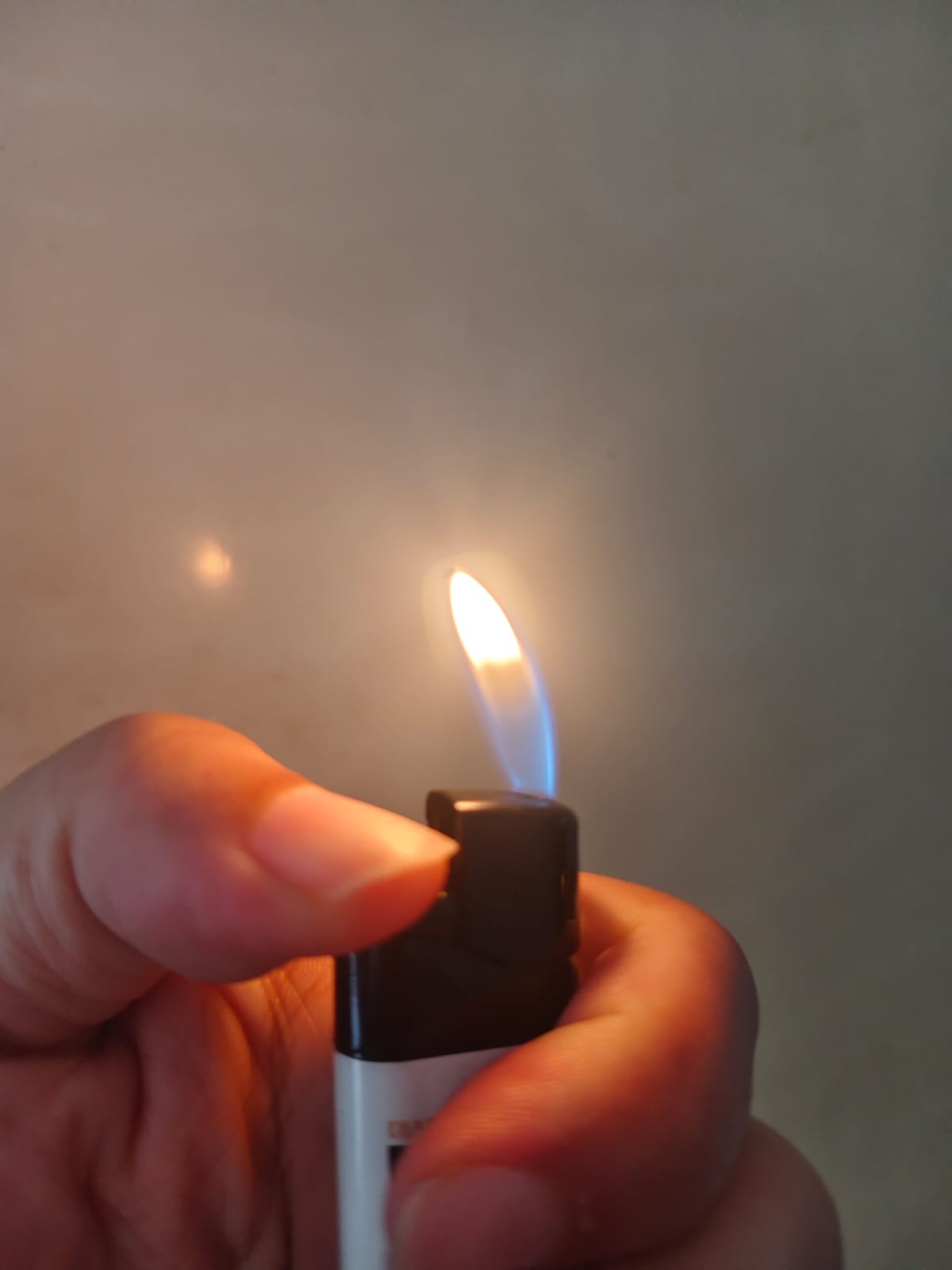
High oxygen supply produces blue flame, whereas low oxygen supply produces yellow/orange flame.
You can see this exact oxygen gradient playing out in a single candle flame. The very bottom of a candle flame is blue because it has direct, immediate access to fresh oxygen from the surrounding room. As the air pulls upward, the oxygen gets used up, forcing the top of the flame to burn yellow due to incomplete combustion and glowing soot.
Is glowing molten rock (magma) hotter or the blue fire in the kitchen stove hotter?
Blue stove fire is hotter than molten magma.
Here’s the clear temperature comparison:
- Blue kitchen stove fire: ~1,500–1,900 °C (2,700–3,450 °F) — this is clean, complete combustion of natural gas/propane with plenty of oxygen.
- Magma / glowing molten rock: ~700–1,300 °C (1,300–2,370 °F) — even the hottest magma (from deep in the mantle) rarely exceeds 1,400 °C.
- The bright orange-red glow of lava makes it look extremely hot, but the blue flame on your stove burns at a significantly higher temperature!
The Sun is not a fire
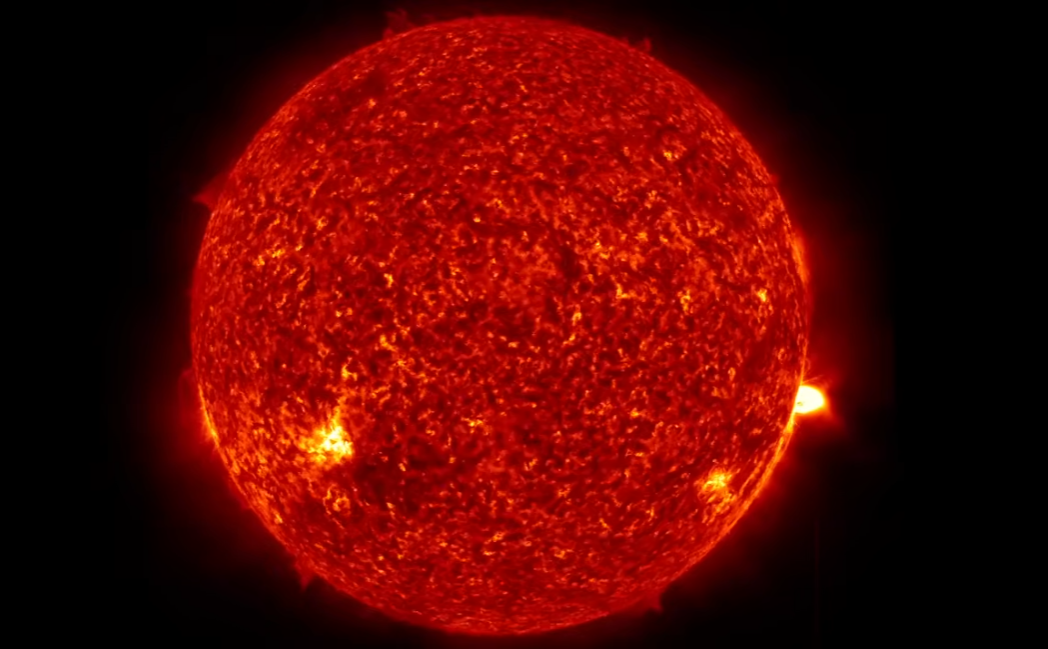
Many people think the Sun is a giant ball of fire, but it actually isn't.
The Sun doesn't burn like wood or gasoline because there isn't enough oxygen for combustion. Instead, it shines because hydrogen atoms fuse together into helium in a process called nuclear fusion. This releases enormous amounts of energy as both heat and light.
Magma is not another form of fire; it is liquid rock
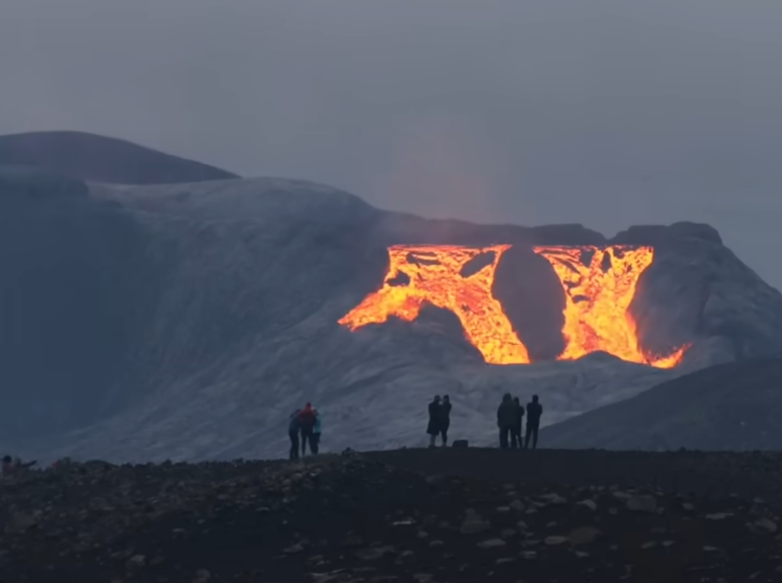
While magma is incredibly hot and glows yellow, orange, or red just like a flame, it does not involve any burning or combustion. Fire is a chemical reaction that creates hot gases and plasma from a fuel source, whereas magma is simply solid Earth crust and mantle rock that has melted into a thick, glowing liquid due to intense underground heat and pressure.
Inside a volcano, there isn't a conventional fire because there usually isn't enough oxygen to support combustion. Instead, the heat comes from Earth's interior, produced by processes such as radioactive decay and the planet's remaining internal heat from its formation.
Other Facts
To generate fire, heat, oxygen, and fuel is essentially required in balanced ratio. And therefore, shortage of any one restricts occurance of fire. This is also known as the fire triangle (heat, oxygen, and fuel).
This is also the reason known that Earth is the only planet where fire can burn. There is not enough oxygen in everywhere else.
Fires kill more people annually than earthquakes, tornadoes, hurricanes and flood combined.
There are no known plants and animals that can naturally produce or breathe fire like dragons in mythology. However, some animals can produce heat, sparks, light, or chemicals that are sometimes mistaken for "fire."
Does fire sterilize smoke?
The fire itself is extremely hot, so many bacteria near the flame are destroyed. However:
- Smoke can pick up dust, ash, and chemicals as it rises.
- Not everything in smoke has been sterilized.
- Even "sterile" smoke would still be harmful because of the tiny particles and toxic gases.
White smoke vs black smoke in fire
White smoke often means:
- Water is evaporating (steam).
- Wet wood is drying out.
- The fire is heating up but may not be burning efficiently yet.
For example, when you first light a campfire with damp wood, you'll often see lots of white smoke.
Black smoke
Black smoke contains a large amount of soot—tiny carbon particles that didn't burn completely.
It often occurs when:
- There isn't enough oxygen.
- Fuels such as plastic, rubber, oil, diesel, or gasoline are burning.
Black smoke is generally more dangerous because it can contain:
- Toxic gases (such as carbon monoxide and hydrogen cyanide from some synthetic materials).
- Fine particles that can damage the lungs.
- Reduced visibility, making it harder to escape from a fire.
Can anything survive any temperature?
No. If the temperature is high enough:
- Metals melt or vaporize.
- Ceramics eventually melt.
- Even materials that don't burn can decompose or evaporate.
🔥 Temperature Comparison (°C)
| Item | Temperature Range | Notes |
|---|---|---|
| Candle / match flame | 600–1,200 | Yellow-orange, incomplete combustion |
| Magma / molten lava | 700–1,300 | Hottest deep mantle magma ~1,400 °C max |
| Campfire / bonfire | 800–1,500 | Hottest core near white/yellow |
| Blue kitchen stove flame | 1,500–1,900 | Clean, complete combustion |
| Blacksmith forge fire | 1,200–2,000 | Can melt iron/steel |
| Rocket exhaust (Falcon 9 / Saturn V) | ~2,800–3,300 | Inside combustion chamber |
| Welding arc | 3,000–6,000 | Hotter than Sun’s surface |
| Sun’s surface (photosphere) | ~5,500 | The light we see |
| Lightning bolt core | ~30,000 | 5× hotter than the Sun’s surface |
| Sun’s core | ~15,000,000 | Where nuclear fusion happens |
🧈 Melting Points of Common Metals (°C)
| Metal | Melting Point |
|---|---|
| Aluminum | 660 |
| Silver | 962 |
| Gold | 1,064 |
| Copper | 1,085 |
| Stainless steel | ~1,400–1,510 |
| Iron / mild steel | 1,538 |
| Titanium | 1,668 |
| Platinum | 1,768 |
| Tungsten (highest melting metal) | 3,422 |
* Tungsten has the highest melting point of all pure metals — it won’t melt even in rocket exhaust!